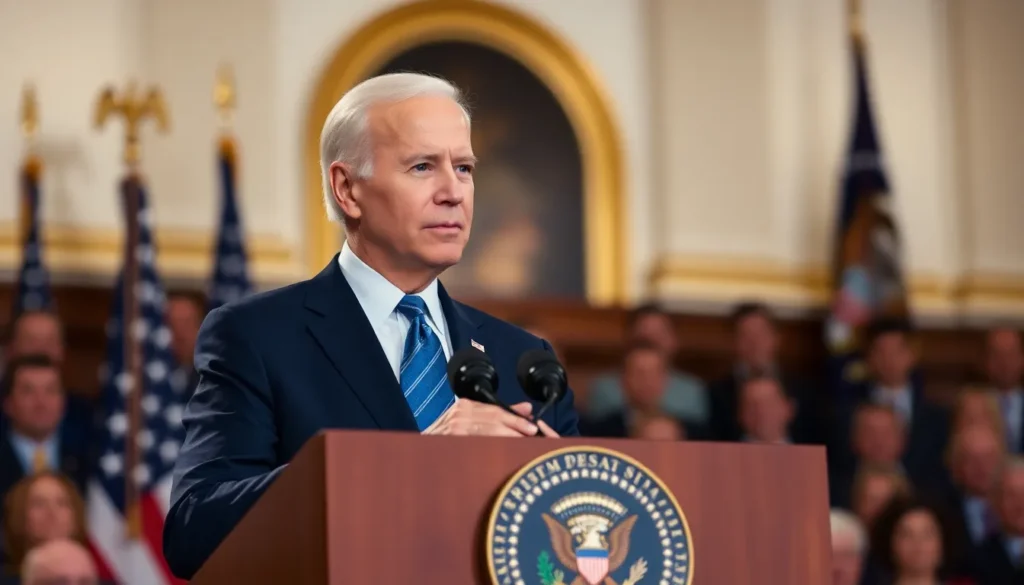
As the political landscape shifts like a game of chess, one question looms large: will Biden sign HR 82? This legislation has sparked debates hotter than a jalapeño eating contest, capturing the attention of citizens and lawmakers alike. With its potential to impact countless lives, everyone’s eager to know if it’ll make it to the president’s desk or get lost in the shuffle like a sock in the dryer.
Overview of HR 82
HR 82 aims to address specific issues affecting citizens, particularly regarding social security benefits. The legislation has drawn attention from various stakeholders due to its potential impact.
Purpose of HR 82
HR 82 seeks to eliminate the Windfall Elimination Provision (WEP) and the Government Pension Offset (GPO). These provisions currently reduce social security benefits for individuals who receive pensions from non-covered employment. This legislation intends to provide fairer benefits for public sector workers, ensuring they receive what they earned. Advocates believe the bill promotes equity within the social security system. Eliminating these offsets would allow affected individuals to enjoy a more secure financial future.
Key Provisions of HR 82
Key provisions of HR 82 include adjustments to social security calculations and eligibility criteria. The bill proposes to amend the current formulas used to compute benefits, thereby potentially increasing monthly payments for affected individuals. Furthermore, it encourages transparency in communicating changes to social security beneficiaries. Specific eligibility guidelines aim to clarify who qualifies for these adjusted benefits. This clarity provides much-needed reassurance for many public sector workers reliant on social security. Overall, the provisions address long-standing concerns about fairness and financial security in retirement planning.
The Political Landscape

President Biden’s approach to HR 82 reflects the administration’s views on social security reform. This legislation garners substantial attention, particularly from those advocating for enhanced benefits. With the potential to impact many lives, it holds significant political weight.
Biden Administration’s Stance
The Biden administration supports efforts to enhance social security benefits. Advocacy for HR 82 aligns with the broader goals of promoting equity within the system. Key representatives emphasize the importance of addressing the Windfall Elimination Provision and Government Pension Offset. Direct approaches, such as public statements by the president, suggest a willingness to engage with this issue. Attention to stakeholders highlights commitment to ensuring financial security for public sector workers.
Support and Opposition in Congress
Congress exhibits a divided response regarding HR 82. Supporters, including multiple Democrats and some Republicans, argue that the legislation offers necessary fairness. They point to the growing number of affected individuals who depend on fair social security calculations. Conversely, opposition stems from concerns about the financial implications. Critics argue that alterations might strain the social security system, potentially impacting future beneficiaries. This debate continues to evolve, reflecting varying priorities and perspectives among lawmakers.
Implications of Signing HR 82
The signing of HR 82 by President Biden carries significant implications for various stakeholders. Understanding both the potential benefits and drawbacks provides clarity on the legislation’s broader impacts.
Benefits to Stakeholders
Public sector workers benefit directly from HR 82 through the elimination of the Windfall Elimination Provision. Individuals previously affected by reduced social security benefits gain an equitable solution. Increased monthly payments offer greater financial security during retirement. Many advocates emphasize that fairer calculations enhance the overall stability of the social security system. Beneficiaries, including retired teachers and police officers, stand to experience improved communication about changes to their benefits. The bill’s success may foster broader support for future social security reforms, contributing to a more equitable landscape.
Potential Drawbacks
Opposition to HR 82 centers on concerns regarding the financial sustainability of the social security system. Critics argue that altering provisions like the Windfall Elimination Provision might place additional strain on existing resources. These changes could result in increased costs, potentially affecting future beneficiaries and funding levels. Lawmakers express worries about how the legislation may impact the overall budget, particularly as it pertains to existing entitlements. As debates continue, the question of whether the benefits outweigh the financial risks remains central to discussions surrounding HR 82.
Recent Developments
The anticipation surrounding President Biden’s decision on HR 82 increases as stakeholders continue to monitor proceedings closely. Current discussions focus on the bill’s implications for social security benefits.
Current Status of HR 82
HR 82 remains under review in Congress. Recent sessions have revealed a mix of support and opposition. Democrats, alongside some Republicans, express strong advocacy for the proposed changes, emphasizing fairness in social security. Financial implications concern many lawmakers. Those opposing the bill cite potential risks to the sustainability of the social security system. As debates progress, stakeholders await updates on the legislative timeline and possible amendments. Critical evaluations of the bill’s financial impact are crucial to its future.
Statements from Key Politicians
Key politicians have weighed in on HR 82’s significance. President Biden supports the initiative, aligning with broader social security reforms. Lawmakers such as Senator Sherrod Brown advocate for eliminating the Windfall Elimination Provision to enhance public sector workers’ benefits. Bipartisan discussions reveal divisions. Some lawmakers endorse the need for reform, while others caution against financial repercussions. Wherever one stands, the dialogue emphasizes the legislation’s potential effects on millions of Americans. Statements reflect a broader desire for equity within the social security landscape.
The fate of HR 82 hinges on President Biden’s decision and the ongoing discussions in Congress. As the dialogue continues, the significance of this legislation for social security reform remains a focal point for many. Advocates push for changes that promise fairness and improved benefits for public sector workers while critics raise concerns about the financial implications.
Stakeholders are closely watching developments, eager for clarity on how this bill could reshape the landscape of social security. With both support and opposition present, the outcome will undoubtedly impact millions. The next steps in this legislative journey will be crucial in determining whether HR 82 becomes a reality or fades into the background.