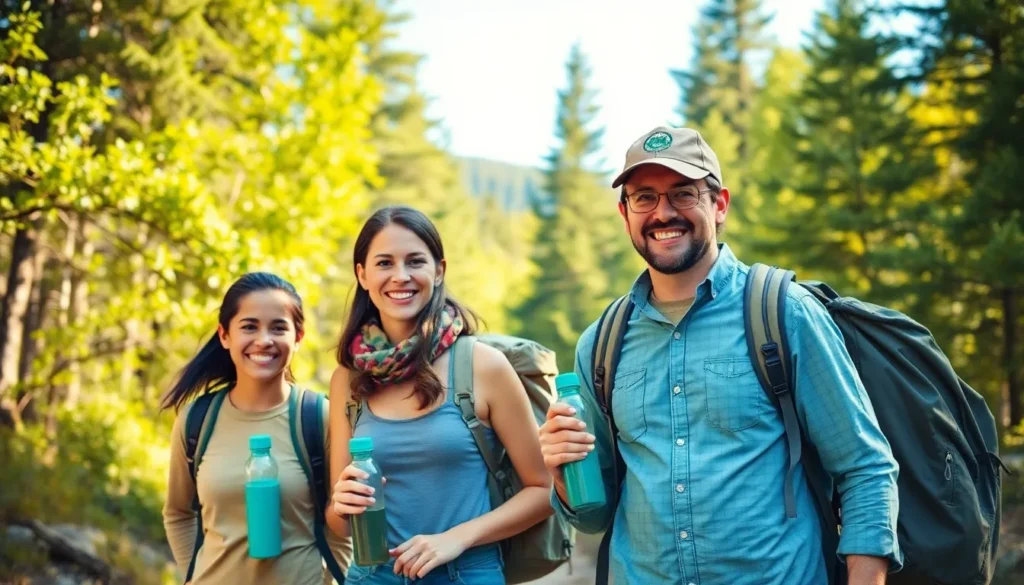
Planning a family getaway? Don’t let climate change rain on your parade! With the world warming up faster than a toddler’s tantrum, it’s crucial to be smart about where and how families travel. From packing eco-friendly snacks to choosing destinations that embrace sustainability, every little choice can make a big difference.
Understanding Climate Travel
Understanding climate travel involves recognizing how vacation choices affect the environment. Families play a crucial role in creating a sustainable future by making informed decisions.
Importance of Climate Awareness
Climate awareness shapes family travel plans. Educating children about environmental issues fosters a responsible mindset. Traveling with consideration increases the appreciation for nature. Engaging kids in eco-friendly activities strengthens their connection to the environment. Making conscious decisions about destinations can enhance the overall travel experience. Families can choose locations that prioritize conservation efforts, showcasing an example of responsible tourism.
Impact of Travel on the Environment
Travel impacts the environment significantly. Transportation contributes to greenhouse gas emissions, which affect climate change directly. Air travel alone accounts for a substantial percentage of these emissions. Additionally, excessive resource consumption during vacations further strains ecosystems. Families often leave behind waste that harms local wildlife. Opting for sustainable modes of transport and accommodations reduces this effect. When choosing activities, families can support local businesses that promote eco-friendly practices, creating a positive impact together.
Planning Your Family Trip
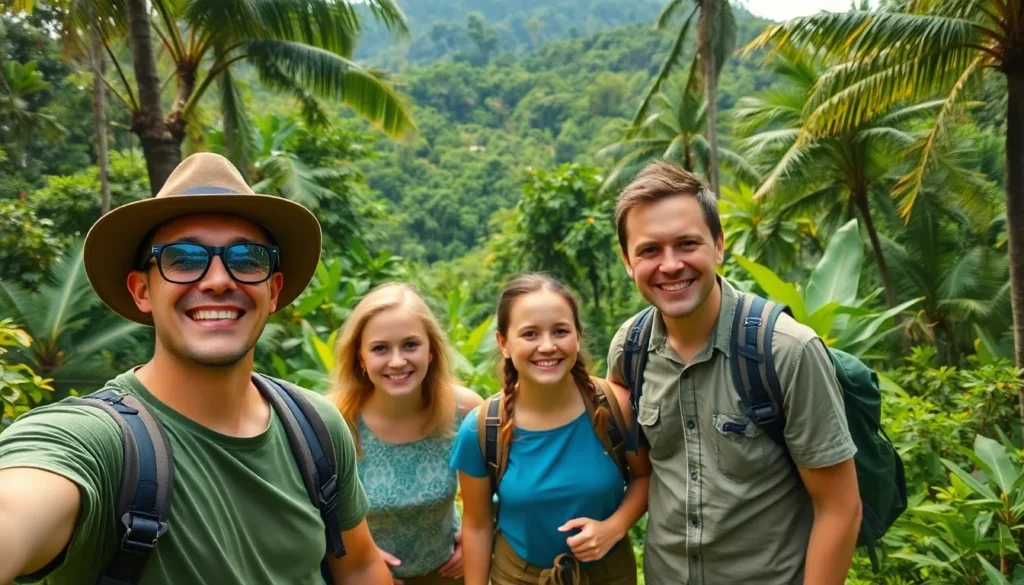
Families must prioritize sustainability when planning trips. Thoughtful decisions enhance travel experiences while minimizing environmental impact.
Choosing Eco-Friendly Destinations
Selecting eco-friendly destinations encourages responsible tourism. National parks and conservation areas often promote biodiversity and wildlife protection. Consider locations that prioritize renewable energy and sustainable practices. Research accommodations that implement green initiatives. Choose activities that support local ecosystems and benefit communities. Popular eco-destinations include Costa Rica and Iceland, which offer rich nature experiences. Families can engage in ecotourism and outdoor activities while enjoying scenic beauty.
Timing Your Travel Season
Traveling during off-peak seasons reduces crowds and environmental strain. Families can enjoy lower costs and a more relaxed atmosphere. Midweek travel often results in fewer emissions compared to the busier weekends. Avoiding high-demand periods also contributes to sustainable tourism practices. Research climate patterns to choose optimal times for outdoor activities. Seasonal considerations enhance experiences and provide opportunities for unique local festivities. Families benefit from these factors while minimizing their carbon footprint.
Packing Essentials
Packing for a family trip with climate change in mind requires thoughtful choices. Families can adopt sustainable practices to ensure their vacation benefits both them and the planet.
Sustainable Packing Practices
Families should focus on reusable items to limit waste. Instead of single-use plastics, opt for reusable water bottles and food containers. Cloth bags make excellent grocery and souvenir carriers. When it comes to clothing, choose versatile pieces that mix and match easily. Families can also pack eco-friendly toiletries, such as bamboo toothbrushes and biodegradable soap. This approach not only reduces plastic waste but also minimizes the carbon footprint tied to production and disposal.
Climate-Smart Gear for Families
Selecting climate-smart gear enhances enjoyment while reducing environmental impact. Families may consider eco-friendly backpacks made from recycled materials. Solar-powered chargers keep devices charged during outings without drawing from non-renewable sources. For outdoor adventures, lightweight, durable gear that lasts longer contributes positively to sustainability efforts. Choosing locally sourced items, such as camping equipment, supports the economy and minimizes transportation emissions. Families can make a real difference by prioritizing these considerations in their gear selection.
On-The-Ground Tips
Traveling with family can be a sustainable adventure. Families should implement practical strategies to reduce their carbon footprint while enjoying their trips.
Reducing Carbon Footprint While Traveling
Selecting eco-friendly transportation methods plays a crucial role in minimizing carbon emissions. Families can opt for trains or electric buses instead of flying. Supporting local transportation options reduces reliance on fossil fuels. Choosing accommodations close to attractions encourages walking or biking, which enhances the travel experience. Engaging in activities like eco-tours promotes environmental awareness and benefits local economies. Families can participate in carbon offset programs available through some travel companies to counteract their travel emissions. Making these conscious travel choices positively impacts the planet.
Engaging Children in Sustainable Practices
Teaching children about sustainability enriches their travel experiences. Families can include kids in planning eco-friendly activities, like visiting a local conservation area. Using opportunities during trips to explore nature fosters appreciation for the environment. Encourage children to participate in beach clean-ups or wildlife conservation projects. These hands-on experiences promote learning and responsible behaviors. Preparing educational games or nature scavenger hunts can also engage kids while traveling. Involving them in discussions about sustainability deepens their understanding of their impact. Building these habits now lays the groundwork for environmentally conscious adults.
Enjoying Local Culture Responsibly
Families can enjoy local cultures while being mindful of their impact. Embracing community and tradition enhances travel experiences and helps support sustainable practices.
Supporting Local Economies
Supporting local economies benefits communities and enriches family trips. Families can prioritize shopping at local markets that sell handmade crafts, foods, and souvenirs. Dining at family-owned restaurants provides genuine culinary experiences while ensuring that money stays within the community. Attending local festivals gives families an opportunity to celebrate traditions and engage with residents. Participating in workshops, such as pottery or cooking classes, allows families to learn new skills while supporting artisans. By contributing to local businesses and investing in community initiatives, families foster sustainable tourism that promotes economic growth.
Understanding Indigenous Practices
Understanding indigenous practices fosters respect for cultural heritage. Families should seek opportunities to learn from local indigenous communities through guided tours or cultural exchanges. Appreciating traditional art forms, such as weaving or painting, builds connections and highlights local craftsmanship. Engaging in storytelling sessions provides insights into historical perspectives and values. Families can also participate in sustainable practices emphasized by indigenous peoples, such as land stewardship and resource management. Respecting cultural sites and observing traditions helps families build awareness while honoring the deep-rooted connections locals have with their homeland.
Traveling as a family offers a unique opportunity to create lasting memories while fostering a sense of responsibility toward the planet. By making thoughtful choices about destinations, transportation, and activities, families can significantly reduce their environmental impact.
Incorporating sustainable practices not only enhances travel experiences but also instills a sense of environmental stewardship in children. Engaging in local cultures and supporting eco-friendly businesses strengthens communities and enriches family journeys.
Ultimately, by prioritizing climate-conscious travel, families can enjoy adventures that are not just memorable but also contribute positively to the world around them.