
Parenting isn’t a one-size-fits-all gig. Just like pizza toppings, every family has its own unique blend of flavors. From the free-range adventurers to the helicopter hoverers, these distinctive parenting styles shape kids in ways that can be as surprising as finding pineapple on a pizza.
Overview of Unique Parenting Styles
Unique parenting styles encompass various approaches, reflecting the values and beliefs of different families. Each style shapes children’s experiences and development in distinct ways. Free-range parenting emphasizes independence and self-reliance, allowing children to explore their environment with minimal supervision. This approach fosters confidence and decision-making skills, enabling children to learn from their mistakes.
Helicopter parenting, on the other hand, involves close monitoring and constant involvement in a child’s life. Parents often intervene in their children’s issues, which can lead to dependency and anxiety. While this style aims to protect, it might hinder children from developing resilience.
Another style, authoritative parenting, combines structure with support. Parents set clear expectations while also encouraging open communication. Research shows that children raised in these households often display high self-esteem and good social skills.
Permissive parenting prioritizes communication and fun over discipline. Parents often give in to children’s desires, which can lead to difficulties in setting boundaries. This style can create challenges in children’s understanding of authority and consequences.
Lastly, the unconventional parenting style may prioritize creativity and flexibility. These parents adapt their methods based on their children’s unique needs and circumstances. They embrace change, which can foster resilience and adaptability in children.
Each parenting style affects children differently. Variability in these approaches signifies the importance of context in raising well-rounded individuals. Understanding unique parenting styles can guide parents toward making informed decisions that align with their values and support their children’s development.
Types of Unique Parenting Styles
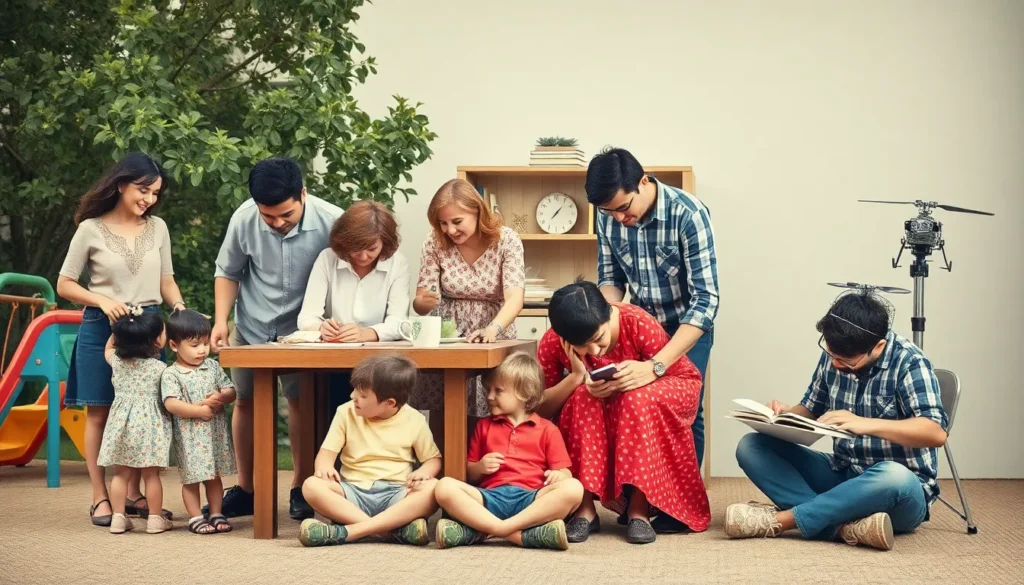
Various parenting styles play a significant role in shaping children’s development. Each style embodies distinct approaches that reflect families’ values.
Authoritative Parenting
Authoritative parenting balances structure and support, resulting in well-rounded children. Parents set clear boundaries while nurturing independence and self-expression. This approach fosters high self-esteem and effective communication skills, allowing children to navigate challenges confidently. Research indicates that children raised in authoritative environments tend to excel in social situations and perform better academically compared to their peers.
Permissive Parenting
Permissive parenting prioritizes emotional connection over strict rules. Parents often encourage open communication and self-exploration. While this approach can create strong bonds, it may lead to challenges with authority and self-discipline. Children in permissive environments might struggle with boundaries, impacting their ability to manage responsibilities and expectations outside the home.
Uninvolved Parenting
Uninvolved parenting, characterized by minimal involvement, can significantly affect children’s emotional and developmental well-being. Parents prioritize their own needs, often neglecting their child’s emotional support and guidance. As a result, children may experience low self-esteem and difficulties forming secure attachments. Studies suggest that these children face greater challenges in social interactions and academic performance, leading to long-term consequences.
Helicopter Parenting
Helicopter parenting involves excessive monitoring and supervision, overshadowing children’s autonomy. Parents in this style closely oversee their children’s activities and decisions, often hindering independence. Although intentions may stem from a desire to protect, children raised in these environments can develop dependency and anxiety. Experts warn that this overbearing style may stifle children’s ability to cope with challenges and make decisions independently.
Cultural Influences on Parenting Styles
Cultural factors significantly shape parenting practices. Different societies instill unique beliefs and values in families, leading to various approaches in child-rearing.
Impact of Culture on Parenting
Culture influences parenting styles immensely. It affects parents’ expectations toward children’s behavior and educational achievement. For instance, collectivist cultures prioritize family relationships, promoting interdependence and cooperation among siblings. Individualistic cultures tend to focus on personal achievements and self-reliance. Parents in these societies often encourage competition and independence. Norms around discipline can also vary greatly; some cultures utilize strict measures while others favor open dialogue. Consequently, understanding cultural foundations helps parents support their children’s emotional and social development effectively.
Examples of Unique Styles Across Cultures
Diverse cultures showcase fascinating parenting styles. In Scandinavian countries, the concept of “lagom,” meaning balanced and just right, influences approaches that encourage children to develop autonomy and self-regulation. Japanese parenting emphasizes group harmony, instilling values of respect and conformity in children. In contrast, African cultures often promote extended family involvement in child-rearing, reinforcing community support and connection. Native American parenting focuses on storytelling and nature, fostering a strong relationship with the environment. By examining these unique styles, parents can gain insight into how cultural heritage shapes parenting practices and children’s upbringing.
Benefits and Challenges of Unique Parenting Styles
Unique parenting styles offer distinct advantages and disadvantages. Understanding these can help parents navigate their choices effectively.
Positive Outcomes for Children
Children thrive under unique parenting styles when they receive tailored support. Free-range parenting cultivates independence, leading to self-reliant individuals. Studies indicate that such children often display enhanced confidence and decision-making abilities. Authoritative parenting creates a balanced environment, contributing to high self-esteem and strong social skills. Engagement through communication is characteristic of permissive parenting, which can strengthen emotional bonds. In cultures emphasizing community, like those found in African traditions, children learn collaboration, enhancing their interpersonal skills. Recognizing these outcomes ensures parents can harness natural strengths while fostering positive growth.
Potential Drawbacks
Despite their benefits, unique parenting styles present challenges. Helicopter parenting often results in over-dependence, hindering children’s ability to navigate life independently. An excessive focus on supervision may cause anxiety or fear of failure. Uninvolved parenting usually leads to emotional neglect, impacting children’s social and emotional development negatively. In permissive settings, a lack of authority can confuse children about boundaries, making discipline problematic. Cultural differences also play a role; for instance, parents from individualistic societies might unintentionally overlook the importance of community involvement seen in collectivist cultures. Acknowledging these drawbacks allows parents to adjust their approaches for more effective outcomes.
Understanding unique parenting styles is crucial for fostering healthy child development. Each approach brings its own strengths and challenges. By recognizing how their parenting style aligns with their values and cultural background, parents can make informed choices that benefit their children.
It’s essential to adapt these styles to meet individual needs. This flexibility can enhance children’s emotional well-being and social skills. Ultimately, embracing a diverse range of parenting methods can lead to a more holistic upbringing, preparing children to navigate the complexities of life with confidence and resilience.