
Kidney stones—those pesky little gems that no one wants but everyone seems to have a story about. If you’ve ever wondered how to score one of these delightful souvenirs, you’re not alone. While most folks are busy avoiding them like the plague, some adventurous souls might want to know what leads to this painful experience. Spoiler alert: it’s not a glamorous journey!
Understanding Kidney Stones
Kidney stones consist of hard mineral and salt deposits formed in the kidneys. These stones can cause significant discomfort and additional health complications.
What Are Kidney Stones?
Kidney stones are calcifications that develop within the kidneys. Various factors contribute to their formation, including dehydration, dietary choices, and certain medical conditions. When substances in urine become concentrated, crystals can form and grow, leading to stones. Over time, these stones may vary in size, ranging from a grain of sand to larger objects that obstruct the urinary tract.
Types of Kidney Stones
Several types of kidney stones exist, each with unique compositions. Calcium stones are the most common, primarily made of calcium oxalate or calcium phosphate. Struvite stones form in response to urinary tract infections, while uric acid stones develop from high uric acid levels in the blood. Cystine stones are rare and arise from a hereditary disorder that causes the kidneys to excrete excessive amounts of certain amino acids. Understanding these types aids in preventing stone formation through lifestyle and dietary adjustments.
Causes of Kidney Stones
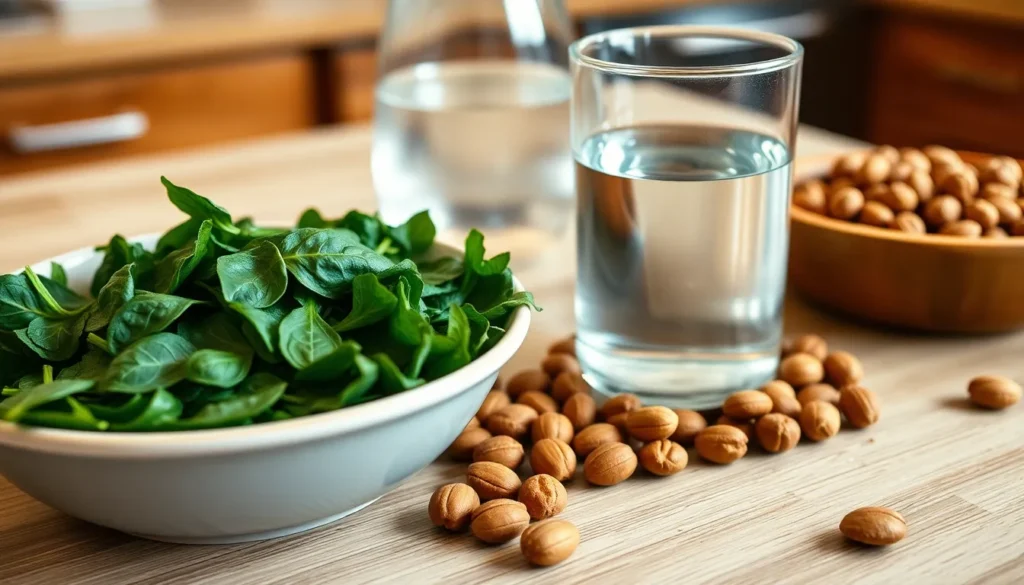
Kidney stones form due to a combination of factors related to diet and health. Understanding these causes helps in managing and preventing their occurrence.
Dietary Factors
Diet plays a crucial role in kidney stone formation. High salt intake leads to higher calcium levels in urine, increasing the likelihood of stone development. Foods rich in oxalates, including spinach, nuts, and tea, can contribute significantly, especially for those prone to calcium oxalate stones. Excessive sugar, such as that found in soft drinks, raises the risk by promoting stone-forming substances. Staying properly hydrated dilutes these substances, reducing the chances of crystallization. A balanced diet focusing on calcium intake while limiting oxalates proves beneficial in prevention.
Medical Conditions
Certain medical conditions increase the risk of developing kidney stones. Hyperparathyroidism raises calcium levels in the bloodstream, often causing excessive calcium excretion. Conditions like diabetes and obesity also contribute due to their association with higher uric acid levels. Gout, characterized by elevated uric acid, often forms uric acid stones. Additionally, chronic urinary tract infections can lead to struvite stones, as bacteria may alter urine composition. Understanding these conditions enables proactive management and potential lifestyle adjustments to reduce the risk of kidney stone formation.
Risk Factors for Developing Kidney Stones
Several factors contribute to an individual’s likelihood of developing kidney stones. Understanding these risks promotes better management and prevention strategies.
Age and Gender
Age and gender significantly influence kidney stone risk. Men are more prone to kidney stones than women, especially between the ages of 30 and 50. As individuals age, the risk of developing stones increases due to changes in kidney function and urine composition. People over 60 also face higher risks, as increased dehydration and dietary changes can take effect. Kidney stones tend to occur more frequently in males, likely due to higher levels of certain hormones and dietary habits.
Family History
Family history plays a crucial role in determining kidney stone risk. Individuals with a first-degree relative who has experienced kidney stones are more likely to develop their own stones. Genetics can influence urine chemistry, leading to an increased likelihood of stone formation. Family patterns show that conditions like cystinuria, a genetic disorder, elevate risks. This connection underscores the importance of family medical history in assessing personal risk for kidney stones.
Symptoms of Kidney Stones
Kidney stones often cause several noticeable symptoms that indicate their presence. Recognizing these signals is essential for prompt action.
Common Symptoms
Sharp pain typically marks kidney stones, often starting in the back and radiating to the abdomen and groin. People may experience intense discomfort during urination, accompanied by a burning sensation. Nausea or vomiting can also occur, stemming from the pain’s severity. Fluctuations in urinary habits, such as needing to urinate frequently or experiencing cloudy or foul-smelling urine, may happen. Some individuals notice blood in their urine, which signals a potential complication requiring attention.
When to Seek Medical Help
Immediate medical attention is crucial if severe pain arises suddenly or if pain persists over time. Fever or chills accompanying kidney stones suggest a urinary tract infection that needs professional evaluation. Difficulty urinating despite urges indicates possible blockage, which requires prompt intervention. If nausea and vomiting prevent effective hydration, healthcare consultation is necessary. Lastly, the presence of blood in urine non-stop should also prompt immediate medical investigation for potential complications.
Prevention Strategies
Preventing kidney stones involves making strategic changes to diet and lifestyle. Incorporating specific dietary modifications and ensuring adequate hydration plays a crucial role.
Dietary Changes
Reducing salt intake minimizes calcium levels in urine, helping prevent formation. Increasing fruits and vegetables lowers the risk of stone development while providing essential nutrients. It’s wise to limit foods high in oxalates, like spinach, chocolate, and nuts, particularly for individuals predisposed to calcium oxalate stones. Opting for lean proteins instead of red meat can also be beneficial. Some research suggests that eating dairy products can stabilize calcium levels, thus reducing stone risk. Maintaining a balanced diet filled with these alternatives fosters a healthier urinary system.
Hydration Tips
Staying well-hydrated significantly dilutes urine, preventing crystal formation. Aim for at least eight 8-ounce glasses of water daily to maintain hydration levels, especially during warmer months or while exercising. Consuming liquids throughout the day rather than in large amounts at once enhances effective hydration. Choosing water over sugary drinks and caffeine helps further decrease stone risk. Monitoring urine color can indicate hydration status; light yellow typically signifies good hydration. Staying consistent with hydration habits contributes to long-term kidney health.
Understanding how kidney stones form is crucial for prevention and management. By recognizing the contributing factors like diet hydration and medical conditions individuals can take proactive steps to reduce their risk. Making informed dietary choices and staying hydrated are essential strategies.
Being aware of personal risk factors such as age family history and specific health issues can guide individuals in their efforts to maintain kidney health. With the right lifestyle adjustments and awareness of symptoms prompt action can be taken if issues arise. Prioritizing kidney health today can lead to a more comfortable tomorrow.