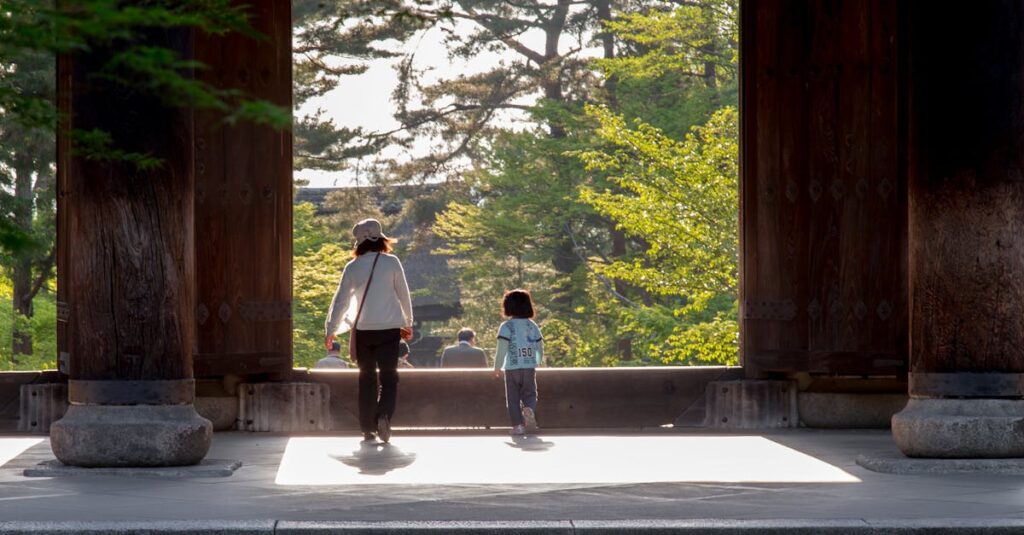
Planning a family trip to Japan? Get ready for an adventure that’ll make your kids’ eyes sparkle brighter than a Tokyo neon sign! From the bustling streets of Shibuya to the serene beauty of Kyoto’s temples, Japan offers a unique blend of culture, fun, and mouthwatering food that even picky eaters can’t resist.
Table of Contents
ToggleBenefits of Traveling to Japan With Kids
Traveling to Japan with kids offers unique experiences that can enrich family bonds. Families gain invaluable insights through interactions with Japan’s diverse cultural landscape.
Exposure to New Cultures
Children discover Japan’s rich history and traditions, broadening their perspectives. Engaging with local customs, like participating in a tea ceremony or visiting a shrine, provides firsthand experience with cultural practices. Language immersion occurs as kids pick up basic Japanese phrases, enhancing communication skills. Museums and historic sites further spark curiosity, allowing for interactive learning. Families explore educational opportunities that blend fun with knowledge, ideal for young learners.
Family-Friendly Attractions
Japan brims with attractions suitable for families. Visit Tokyo Disneyland or Universal Studios Japan for unforgettable memories. Outdoor adventures range from hiking in the Japanese Alps to enjoying the beaches in Okinawa. Interactive experiences abound, including hands-on workshops for crafting or cooking. Theme parks and zoos captivate children’s attention, ensuring they remain entertained. Traditional festivals across the country offer lively engagement, showcasing dances, games, and local delicacies.
Planning Your Trip
Planning a family trip to Japan involves thoughtful consideration of various factors to ensure an enjoyable experience for everyone. From timing your visit to creating a solid packing list, every detail contributes to a memorable journey.
Best Time to Visit Japan
March to May represents peak cherry blossom season, offering a picturesque setting for family outings. During this time, families can enjoy mild weather and vibrant festivals. September to November provides another great option as the autumn foliage paints the landscape in stunning colors. Visiting in winter brings opportunities for snow activities, especially in regions like Hokkaido. Busy times, such as Japanese holidays and school breaks, often see crowded attractions. Traveling during off-peak periods means shorter lines and less stress, allowing families to fully experience Japan’s attractions and culture.
Essential Packing List
A well-thought-out packing list enhances the travel experience. Families should include comfortable walking shoes, as exploring cities often involves significant walking. Packing layers is essential due to varied climate conditions across the country. Consider lightweight clothing for warmer months and warm jackets for cooler seasons. Portable snacks and reusable water bottles help keep energy levels high throughout the day. Don’t forget a portable charger to keep devices powered for capturing memories. Additionally, bringing a phrasebook can aid communication and facilitate cultural integration. Preparing ahead ensures that families stay organized and ready for adventure while traveling in Japan.
Kid-Friendly Destinations in Japan
Japan offers numerous attractions for families traveling with kids. Exciting cities, cultural sites, and interactive experiences make the journey memorable.
Tokyo: A City of Wonders
Tokyo attracts families with its diverse attractions. Kids love visiting the vibrant Tokyo Disneyland, which offers characters and thrilling rides. Exploring Ueno Zoo introduces children to various animals, while the TeamLab Borderless art installation provides a mesmerizing experience of digital art. The city’s parks, like Yoyogi Park, offer ample space for picnics and outdoor fun. Additionally, Akihabara allows kids to explore anime and video game culture, catering to their interests.
Kyoto: History and Tradition
Kyoto captivates families with its historical charm. Visiting Kinkaku-ji, the Golden Pavilion, sparks interest in traditional architecture. Kids often enjoy participating in tea ceremonies at various establishments, offering a glimpse into Japanese culture. The Kyoto Railway Museum features interactive exhibits, allowing children to learn about transportation history. Also, wandering through Arashiyama Bamboo Grove offers an enchanting experience, where kids can marvel at towering bamboo stalks and even spot some wild monkeys at the nearby Iwatayama Monkey Park.
Osaka: Food and Fun
Osaka delights families with its culinary treats and entertainment. Known for its street food, families can sample takoyaki and okonomiyaki at bustling markets. Universal Studios Japan serves as a major draw, featuring thrilling rides based on popular movies and franchises. Kids appreciate the interactive experience at Osaka Aquarium, where they can observe diverse marine life. The Osaka Castle Park provides a fantastic playground, where children can run and explore the surrounding gardens.
Navigating Japan With Kids
Exploring Japan with kids can be a rewarding experience, with various options for transportation and helpful tips to make travel smoother.
Transportation Options
Japan offers efficient transportation for families. Trains connect major cities, with bullet trains providing speedy travel. Parents find the Japan Rail Pass economical for unlimited rides on JR trains. Subways and buses serve urban areas, ensuring easy access to attractions. Family-friendly features, like designated seating for parents with children, enhance comfort. Taxis remain available, but using public transport saves costs. Renting bicycles in cities encourages family bonding while exploring.
Tips for Traveling Around
Planning reduces stress during travel. Utilizing apps, like Google Maps, helps navigate Japan’s transit system effectively. Familiarizing with train schedules in advance ensures timely arrivals to destinations. Choosing off-peak hours for travel minimizes crowd exposure. Kids appreciate having snacks on hand for long trips. Learning basic Japanese phrases fosters interaction with locals and enriches the experience. Staying near public transportation simplifies getting to attractions with children.
Cultural Etiquette for Families
Understanding cultural etiquette plays a significant role in enhancing family interactions in Japan.
Families can benefit from teaching children to bow when greeting or thanking others, as this gesture shows respect.
Avoiding loud conversations in public spaces is crucial to maintain everyone’s comfort.
Dining etiquette includes using chopsticks properly, never sticking them upright in rice, as this resembles funeral rites.
Turning off mobile devices while in temples, shrines, and museums demonstrates respect for the serene environments.
Children can learn the importance of sharing space politely, especially in crowded areas.
Using basic Japanese phrases can bridge cultural gaps, helping children engage positively with locals.
When participating in traditional events, such as festivals or tea ceremonies, families should follow the dress codes to honor local customs.
Exploring markets and shops, remember to greet shopkeepers with “irasshaimase,” enhancing the shopping experience.
In family outings, practicing patience in queues is essential, as Japanese culture values order and respect for others.
Encouraging children to watch for signs indicating no photography in certain areas helps cultivate cultural awareness.
Participating in communal activities, such as cleaning rituals or local festivities, fosters a deeper appreciation for Japanese traditions.
Safety Tips for Traveling With Children
Traveling to Japan with children requires attention to safety. Officials maintain a low crime rate, but families should stay vigilant in crowded areas. Keeping a close watch on personal belongings ensures items remain secure.
When crossing streets, children must hold hands with adults. Traffic can be busy, particularly in cities like Tokyo. Familiarizing children with pedestrian signals and street signage promotes safety.
A crucial preparation step is to provide kids with identification. Using wristbands with contact information helps in cases of separation. Carrying photocopies of important documents, like passports, is beneficial for quick access.
Staying hydrated is essential, especially during outdoor activities. Carry water bottles to ensure kids remain refreshed. Understanding the location of restrooms at attractions can ease discomfort during long stays.
Using public transportation can be safe and efficient. Seat belts and designated family seating on trains enhance comfort. Encouraging children to remain seated while the vehicle is in motion reinforces safety.
In restaurants, brief discussions about dining etiquette prepare children. They should understand the importance of using quiet voices and respecting personal space. Teaching them about local cuisine reduces anxiety during meal times.
Preparing for emergencies involves knowing local emergency numbers, such as Japan’s 110 for police and 119 for fire and medical services. Planning ahead guarantees that families can respond quickly if necessary.
Lastly, balancing fun with safety enriches the travel experience. Encouraging exploration while setting boundaries helps children experience Japan’s wonders safely.
Traveling to Japan with kids opens up a world of adventure and learning. The unique blend of culture, history, and fun-filled activities ensures that every family member finds something to cherish. From the bustling streets of Tokyo to the serene temples of Kyoto, each moment spent together strengthens family bonds and creates lasting memories.
With thoughtful planning and an open mind, families can navigate Japan’s rich landscape while embracing local customs and traditions. By prioritizing safety and comfort, parents can focus on enjoying the journey alongside their children. Ultimately, a family trip to Japan promises not just exploration but a deeper connection to a vibrant culture that will inspire and delight.